







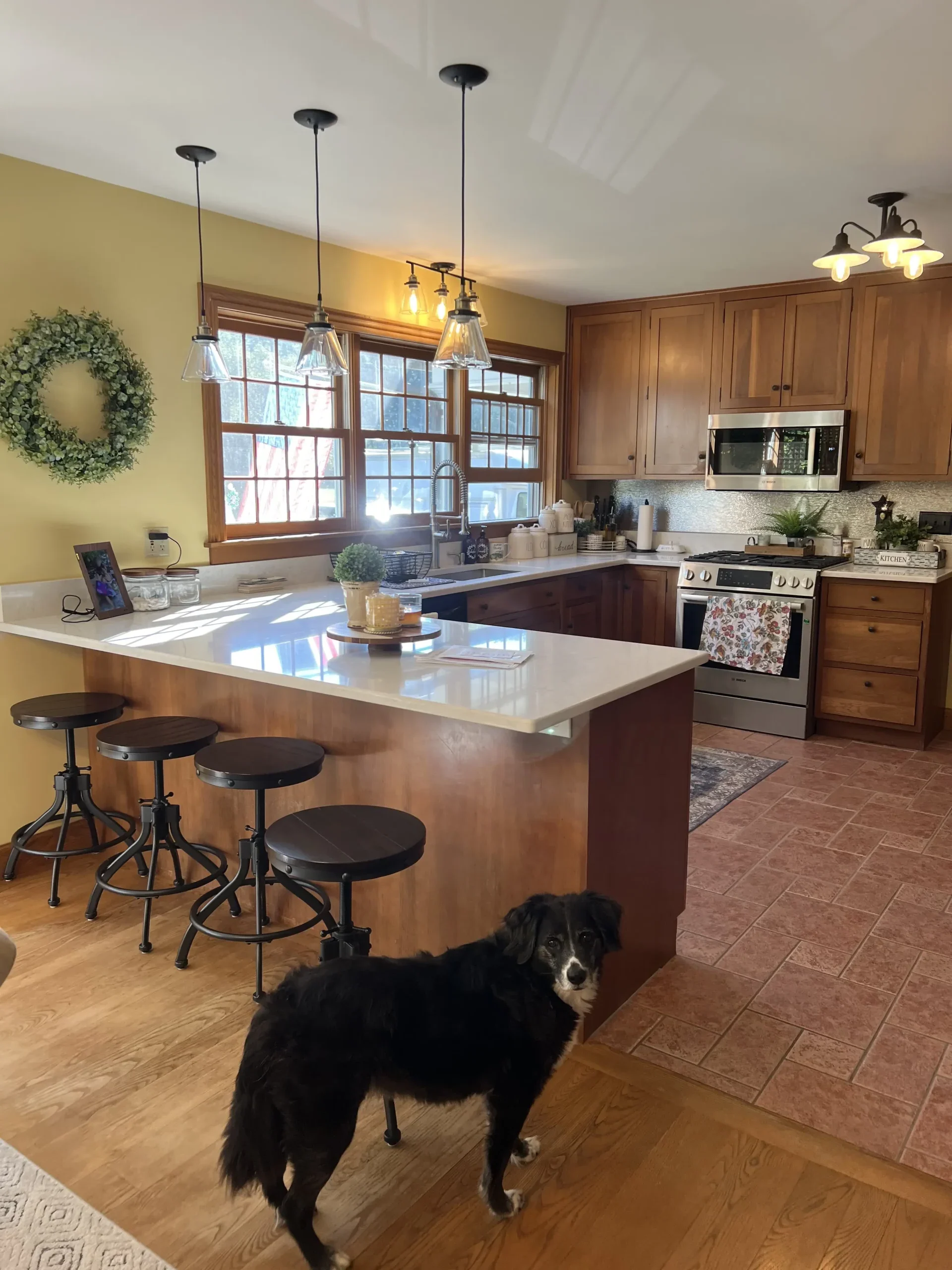













Why Cabinet Paint Fails (And How Professionals Prevent It)
Painted kitchen cabinets can look incredible—but when cabinet paint fails, it’s usually not subtle. Peeling, chipping, soft finishes, and visible wear often show up within a few years, sometimes much sooner.
The key thing homeowners should understand is this:
1. Cabinet paint failures are almost never caused by “bad paint.”
2. They’re caused by preparation mistakes, product misuse, and environmental factors that weren’t accounted for from the start.
This article explains why cabinet paint fails and how professional painters prevent those issues before the first coat is ever applied.
The Most Common Reasons Cabinet Paint Fails
1. Inadequate Surface Preparation
This is the number one cause of cabinet paint failure.
Kitchen cabinets accumulate years of:
- Grease residue
- Cooking oils
- Cleaning product buildup
- Hand oils near knobs and pulls
If those contaminants aren’t fully removed, paint cannot properly bond—even premium coatings will fail.
Professional prevention:
Cabinets are degreased, cleaned, sanded, and deglossed before any primer or paint is applied.
2. Using Wall Paint Instead of Cabinet-Grade Coatings
Wall paint is designed for vertical, low-contact surfaces. Cabinets are not low-contact.
Cabinet surfaces must withstand:
- Constant handling
- Moisture and steam
- Frequent cleaning
Using wall paint—even “high-quality” wall paint—often results in soft finishes, sticking doors, and premature wear.
Professional prevention:
Professionals use cabinet-specific coatings designed to cure harder and resist moisture and abrasion.
3. Skipping or Rushing the Priming Stage
Primer isn’t optional for cabinets—it’s structural.
Failures occur when:
- Primer is skipped entirely
- The wrong primer is used
- Dry times are rushed
Without proper priming, paint adhesion is compromised from the start.
Professional prevention:
Correct primers are selected based on cabinet material and existing finishes, with proper cure times observed.
4. Improper Drying and Curing Conditions
Paint may feel dry to the touch within hours, but true curing takes much longer.
Common issues include:
- Reinstalling doors too soon
- Heavy use before full cure
- High humidity or temperature swings
This often leads to soft finishes, fingerprints, or sticking doors.
Professional prevention:
Professionals control drying environments and allow adequate cure time before reassembly and use.
5. Ignoring High-Wear Zones
Cabinet paint doesn’t fail evenly.
The first areas to show wear are:
- Around knobs and pulls
- Under sinks
- Near dishwashers and stoves
- Door edges and corners
Ignoring these zones during prep and coating leads to early breakdown.
Professional prevention:
Extra attention, reinforcement, and correct product application in known wear areas.
Why DIY Touch-Ups Often Make Things Worse
Many homeowners try to fix small cabinet issues with touch-up paint, only to make the problem more noticeable.
Touch-ups fail when:
- Sheen doesn’t match exactly
- The original finish has aged
- Brush or roller texture doesn’t match the sprayed surface
Professional prevention:
Professionals blend repairs using matched products and application techniques that disappear into the existing finish.
Why Winter Is Actually a Smart Time for Cabinet Painting
Contrary to popular belief, interior cabinet painting often performs better in winter.
Benefits include:
- Stable indoor temperatures
- Controlled humidity
- Predictable curing conditions
This makes February an ideal time for cabinet refinishing—especially when prep and curing are done correctly.
How Professionals Think Differently About Cabinet Painting
Professional cabinet refinishing isn’t about color—it’s about systems.
Long-lasting results come from:
- Proper surface preparation
- Correct product selection
- Controlled application methods
- Adequate drying and curing
When those systems are followed, cabinet paint doesn’t just look good—it lasts.
When It’s Time to Refinish Instead of Patch
You may want to consider professional refinishing if:
- Touch-ups no longer blend
- Paint feels soft or sticky
- Chipping is spreading
- Cabinets look worn despite cleaning
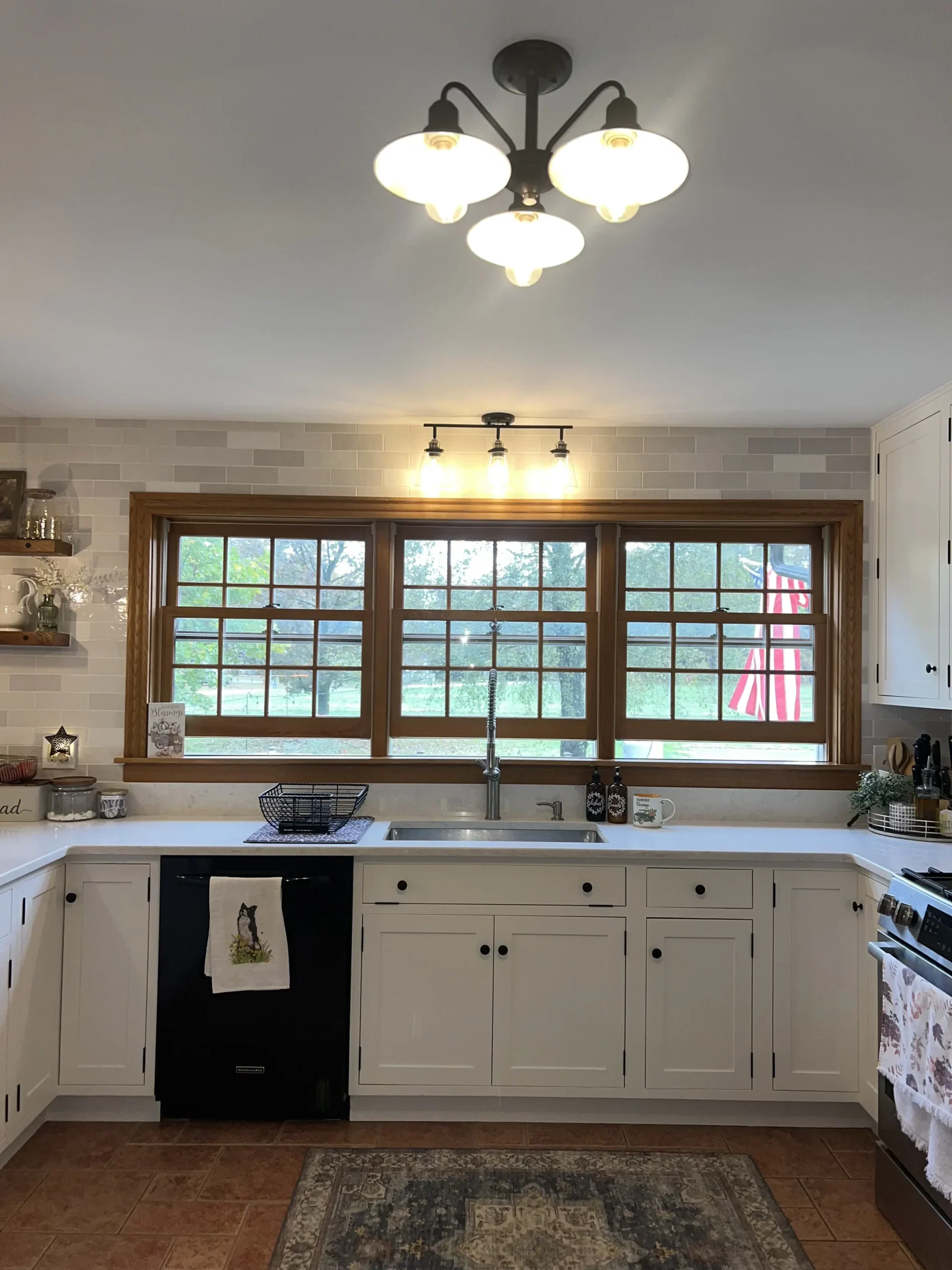
Refinishing restores durability—not just appearance.