


















When Should Connecticut Homeowners Book Exterior Painting for Spring?
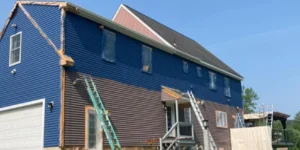
If you’re planning to paint your home’s exterior this year, the best time to reach out to a professional painter isn’t April or May.
It’s now.
For homeowners in Connecticut, late February through early March is the ideal window to begin the process. Waiting until warmer weather arrives often means limited availability, longer wait times, and fewer optimal scheduling options.
Here’s why timing matters—and how to secure the best window for your exterior painting project.
Why Late Winter Is the Smart Time to Call
Many homeowners wait until they see consistent 60-degree days before thinking about exterior painting. By then, most reputable painting contractors already have their early-season calendar filling up.
Reaching out in late winter allows time for:
- On-site estimates
- Surface condition evaluation
- Color consultation
- Proposal review
- Scheduling coordination
Exterior painting projects don’t start overnight. From first contact to scheduled start date, the process can take anywhere from one to four weeks depending on availability and weather.
What Is the Best Time to Paint a Home Exterior in Connecticut?
In Connecticut, the optimal exterior painting window typically begins:
Mid-to-late April through early June
This time frame offers:
- Moderate daytime temperatures (50–80°F)
- Lower humidity compared to peak summer
- Stable curing conditions for high-performance exterior paints
- Reduced risk of late-season pollen interference (varies by year)
Most premium exterior paints require surface temperatures above 50°F and dry conditions for proper adhesion and curing. According to major paint manufacturers like Sherwin-Williams, proper temperature and moisture conditions are critical for long-term durability.
You can review general manufacturer temperature recommendations here:
https://www.sherwin-williams.com/homeowners/how-to/exterior-painting
Early spring also allows your home to be protected before the heavier humidity of July and August arrives.
Why Waiting Until April Can Limit Your Options
By early April, many Connecticut painting contractors are:
- Completing previously booked projects
- Finalizing long-standing client schedules
- Managing weather-related delays from earlier jobs
The later you wait, the more likely you’ll be placed into late June or July start dates, have gaps between other projects, or weather-dependent openings.
Therefore, early scheduling gives you flexibility. Late scheduling forces compromise.
What Impacts When an Exterior Painting Project Can Start?
Several factors affect start dates beyond just the weather.
1. Time Required for a Proper Estimate
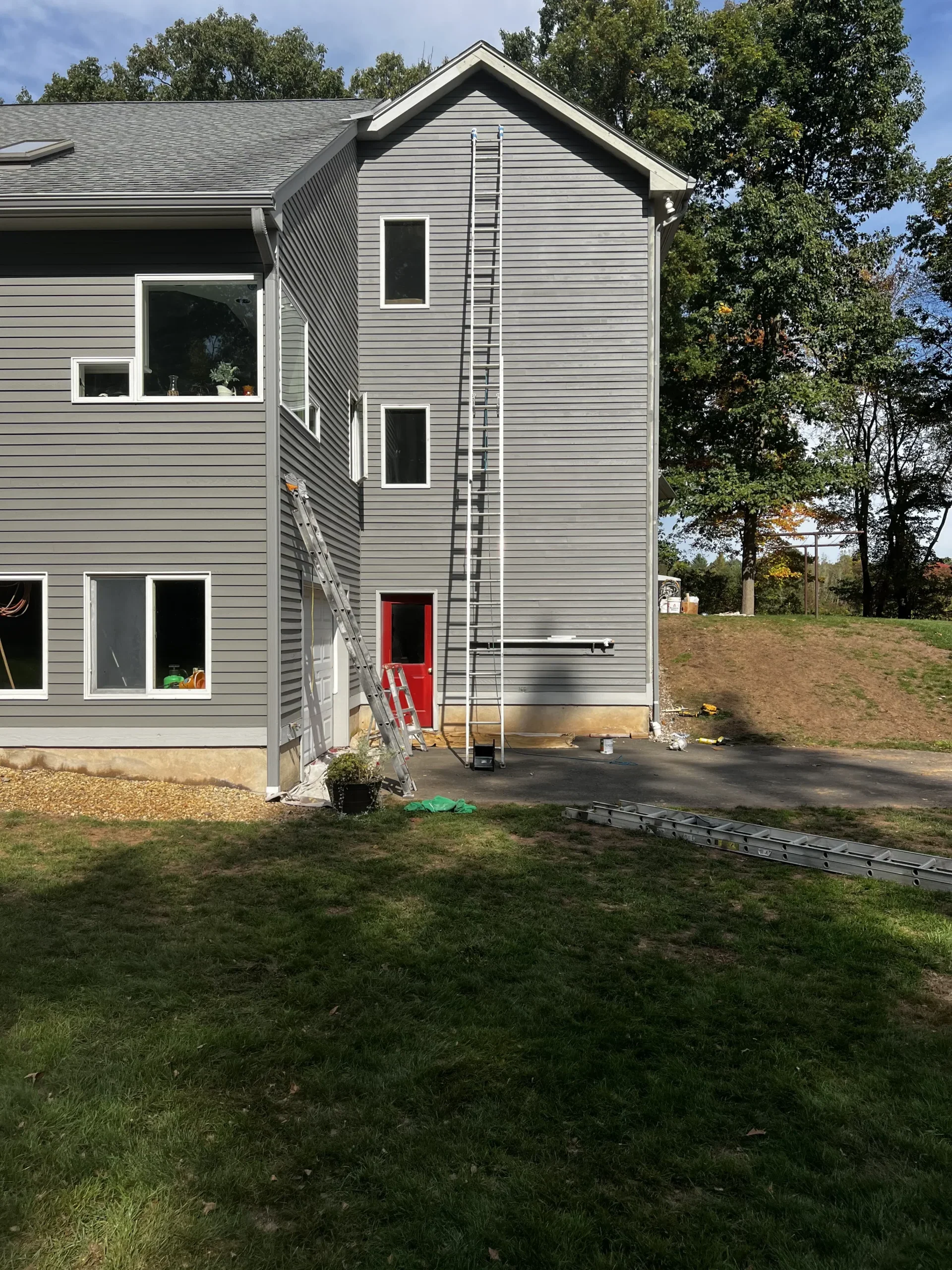
A thorough exterior estimate includes surface inspection (wood, siding, trim, fascia), moisture evaluation, caulking and repair needs, paint failure assessment, and scope clarity.
Quality contractors do not rush this process.
2. Existing Booked Projects
Exterior painting season in Connecticut is relatively short compared to southern states. Contractors must maximize favorable weather windows, which means spring schedules fill quickly.
If you want a specific month—or need the job done before a graduation party, real estate listing, or summer gathering—booking early is essential.
3. Surface Repairs and Preparation Work
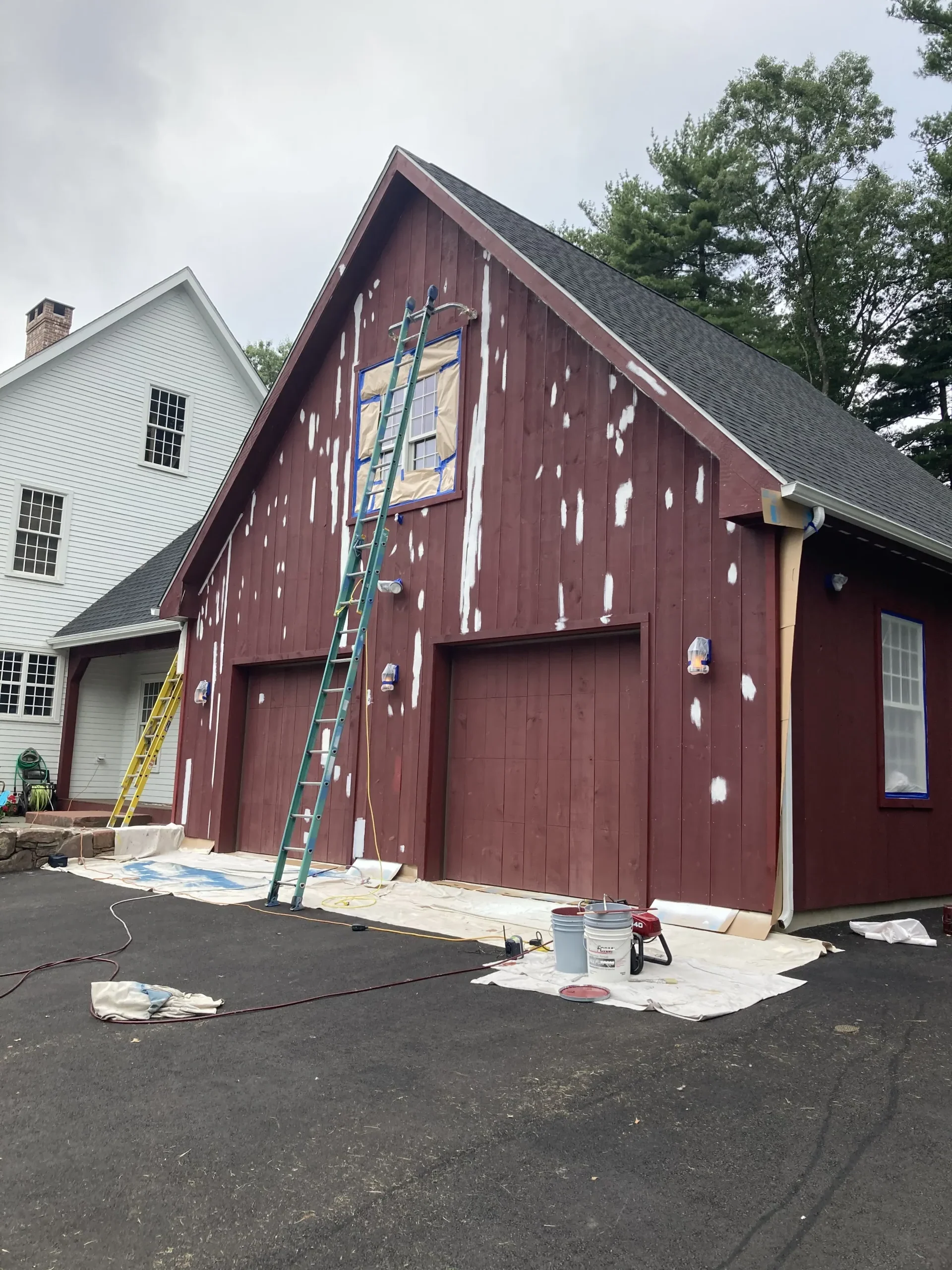
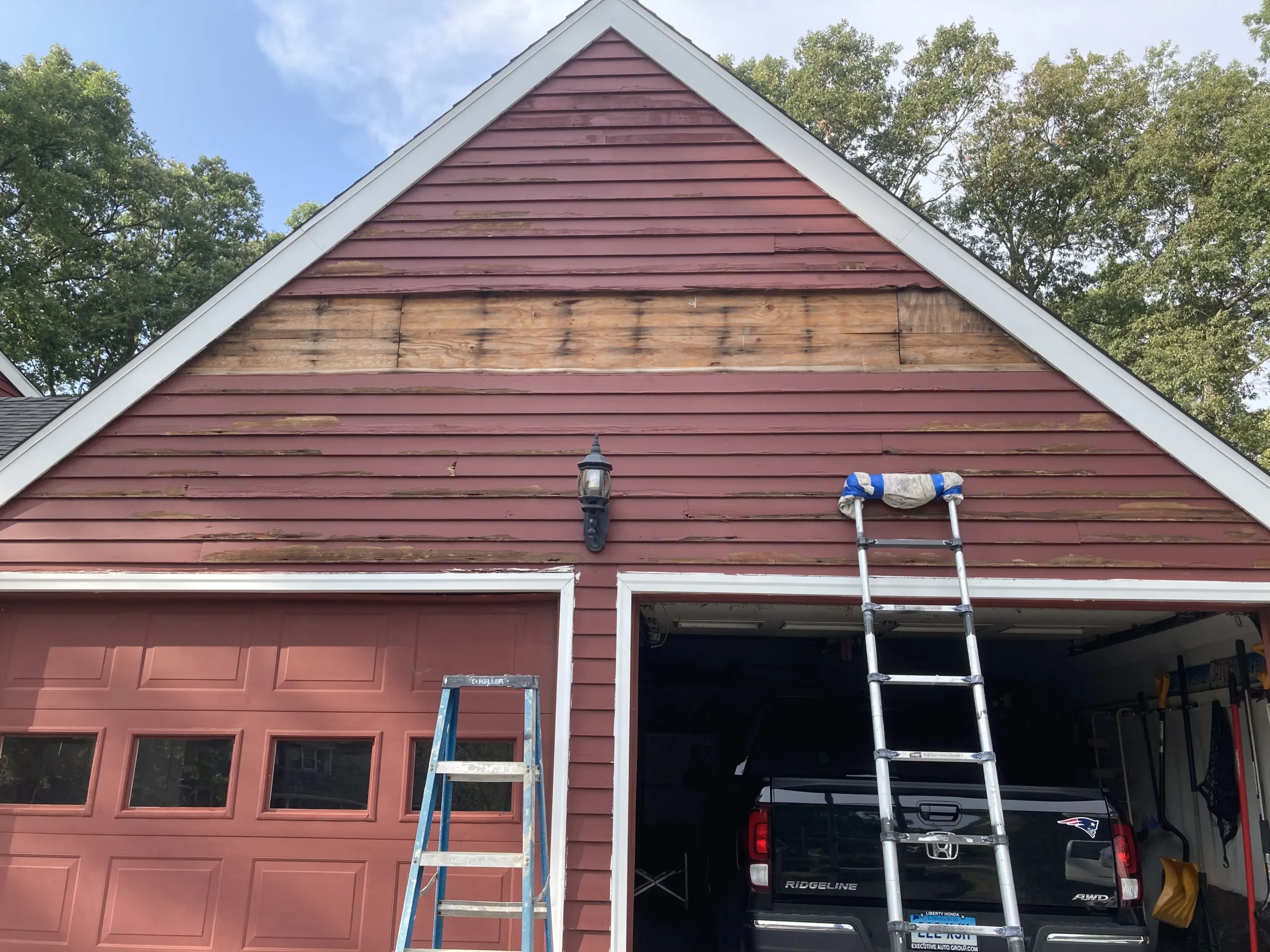
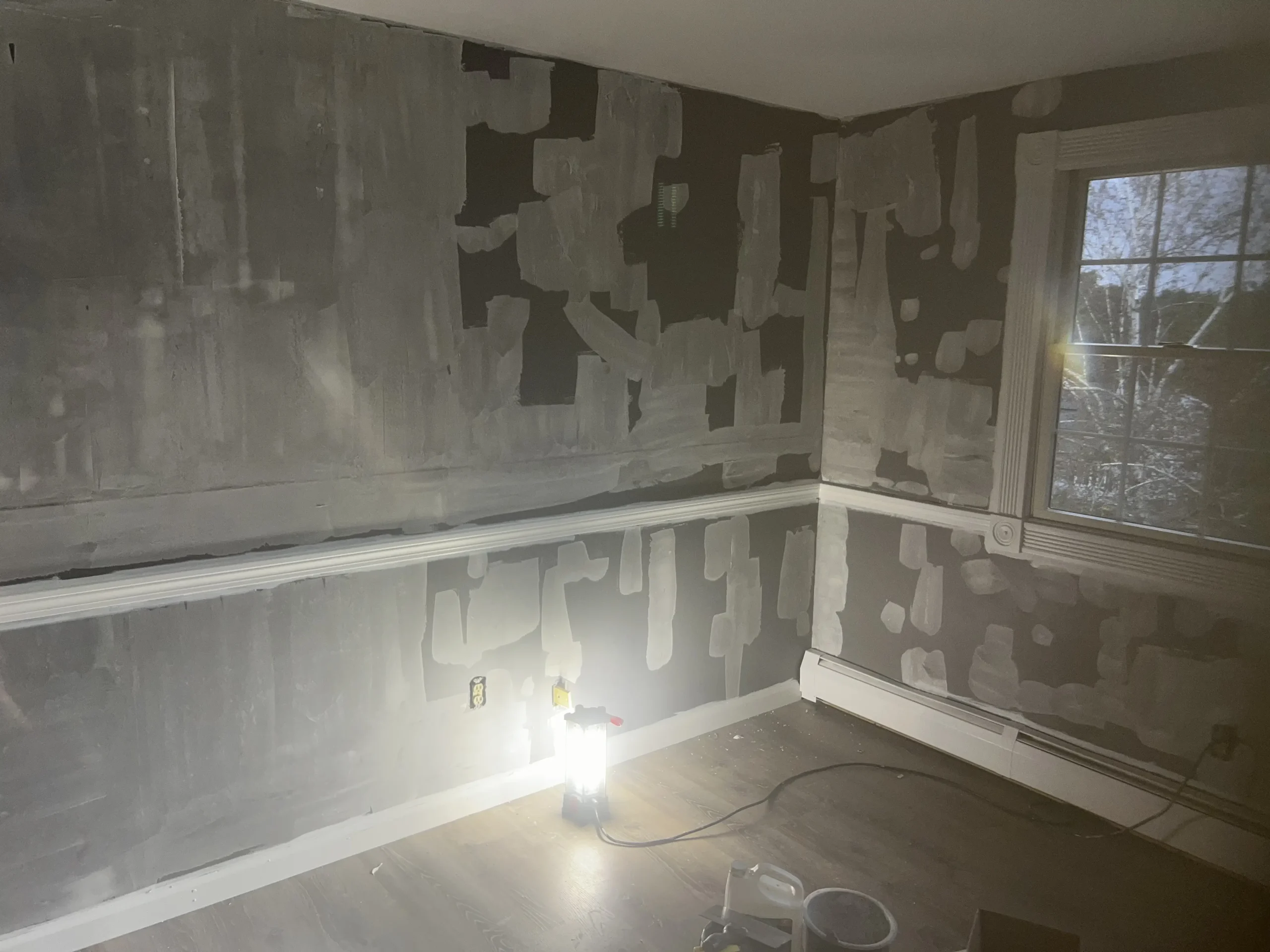
Some homes require wood replacement, rot repair, power washing lead time, extended dry times, and primer cure windows.
These prep steps affect timeline and may push start dates later if not addressed early.
4. Spring Weather Variability
Connecticut weather in April can fluctuate. Therefor, a stretch of rain can delay projects by days or even weeks.
Contractors build flexibility into schedules, but the earlier you’re on the calendar, the easier it is to maintain your preferred time frame.
Ideal Exterior Painting Timeline for Connecticut Hom
Here’s a practical schedule if today is early March:
March 1 – March 31
- Request estimate
- Receive proposal
- Select colors
- Secure spot on calendar
Mid-April – Early June
- Ideal execution window
This positions your home for:
- Proper paint adhesion
- Full curing before peak summer heat
- Long-term durability
Why Early Spring Projects Often Deliver B
Painting in moderate temperatures allows:
- Slower, more even curing
- Better leveling of paint
- Reduced blistering risk
- Improved adhesion
Late-summer painting can still be effective—but higher humidity and heat create narrower working windows each day.
How Exterior Painting Improves Long-Term Home Protection
Beyond aesthetics, exterior painting protects against moisture intrusion, UV damage, wood rot, and premature siding deterioration.
In New England climates, routine exterior maintenance is essential. Resources like Connecticut Department of Consumer Protection also encourage homeowners to verify contractor credentials before hiring.
You can confirm contractor registration here:
https://portal.ct.gov/DCP
The Bottom Line for Connecticut Homeowners
If you want your home painted between mid-April and early June—the prime exterior window—reach out in late winter or very early spring.
Waiting until warm weather arrives often means your ideal schedule is already taken.
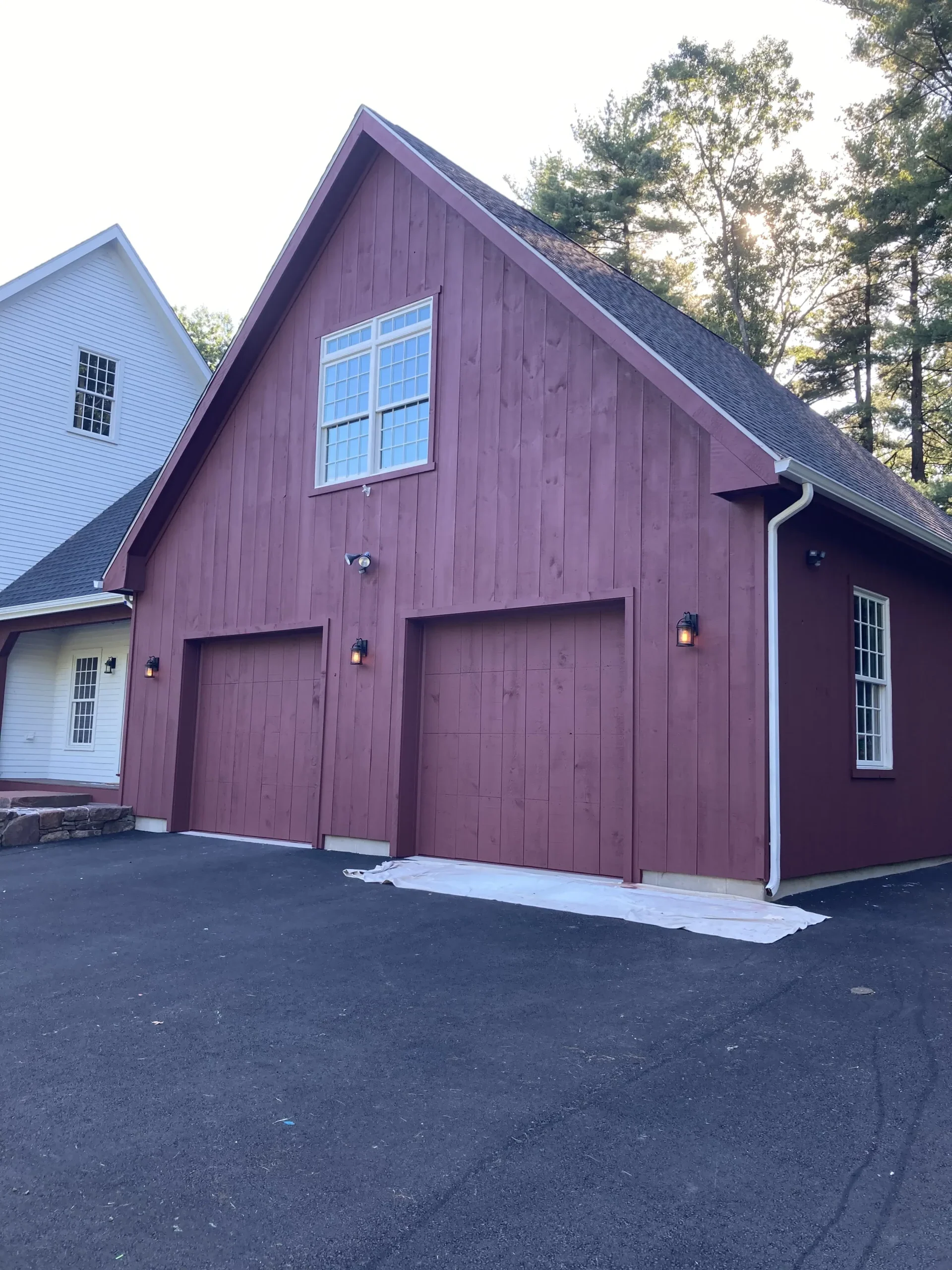
Exterior painting is both a cosmetic upgrade and a structural investment. Timing it correctly ensures better results, smoother scheduling, and longer-lasting protection.