


















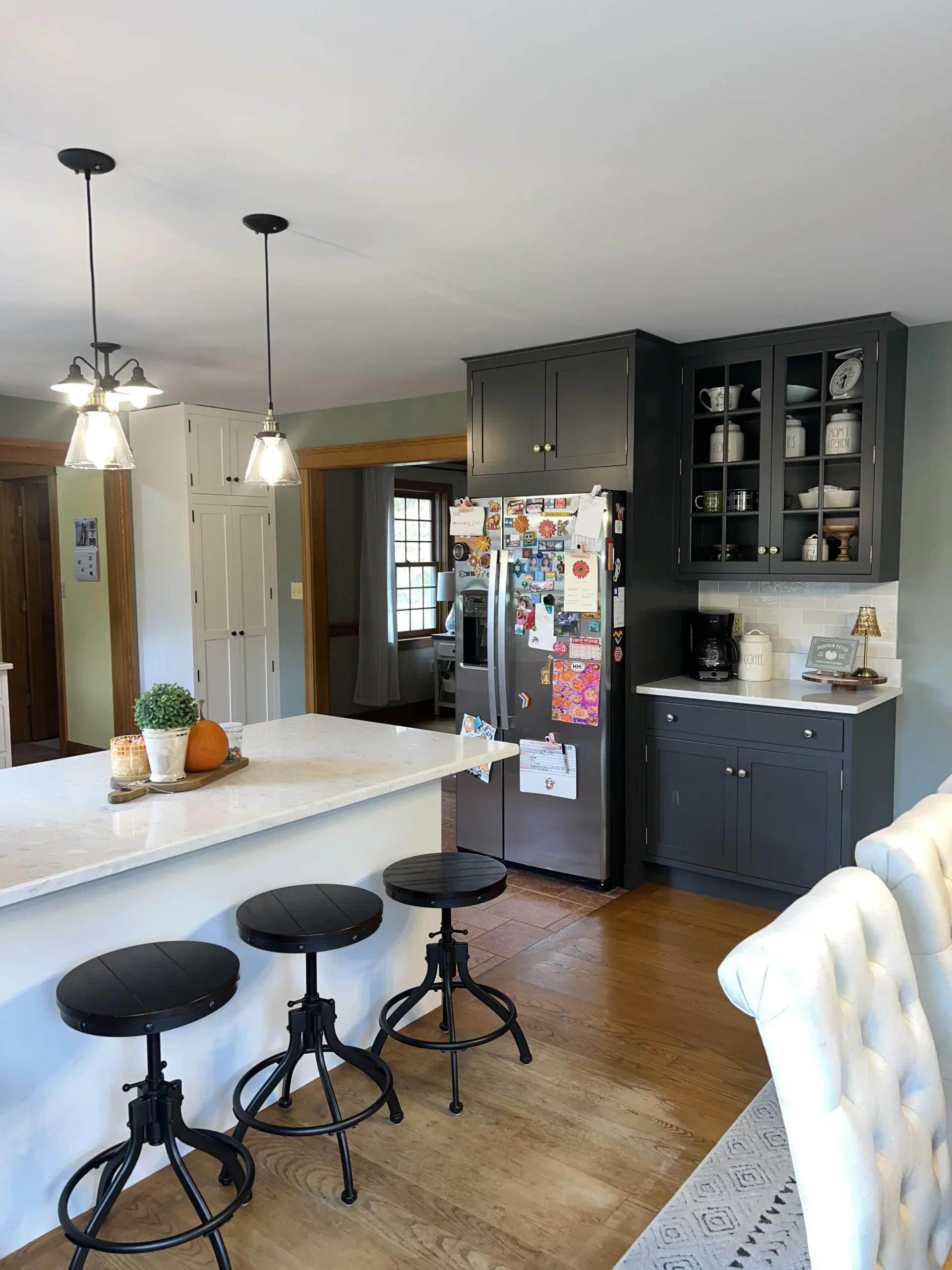
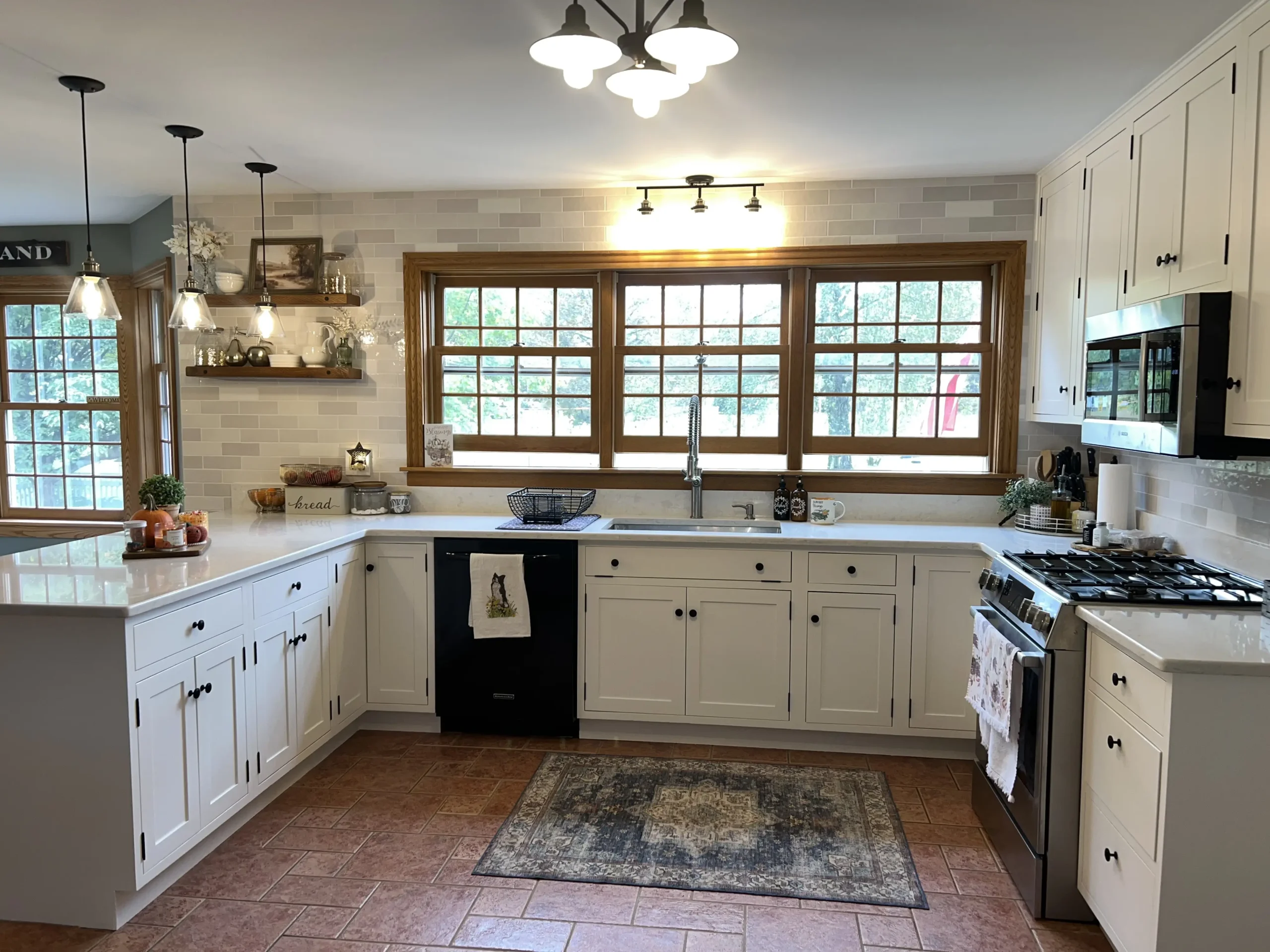
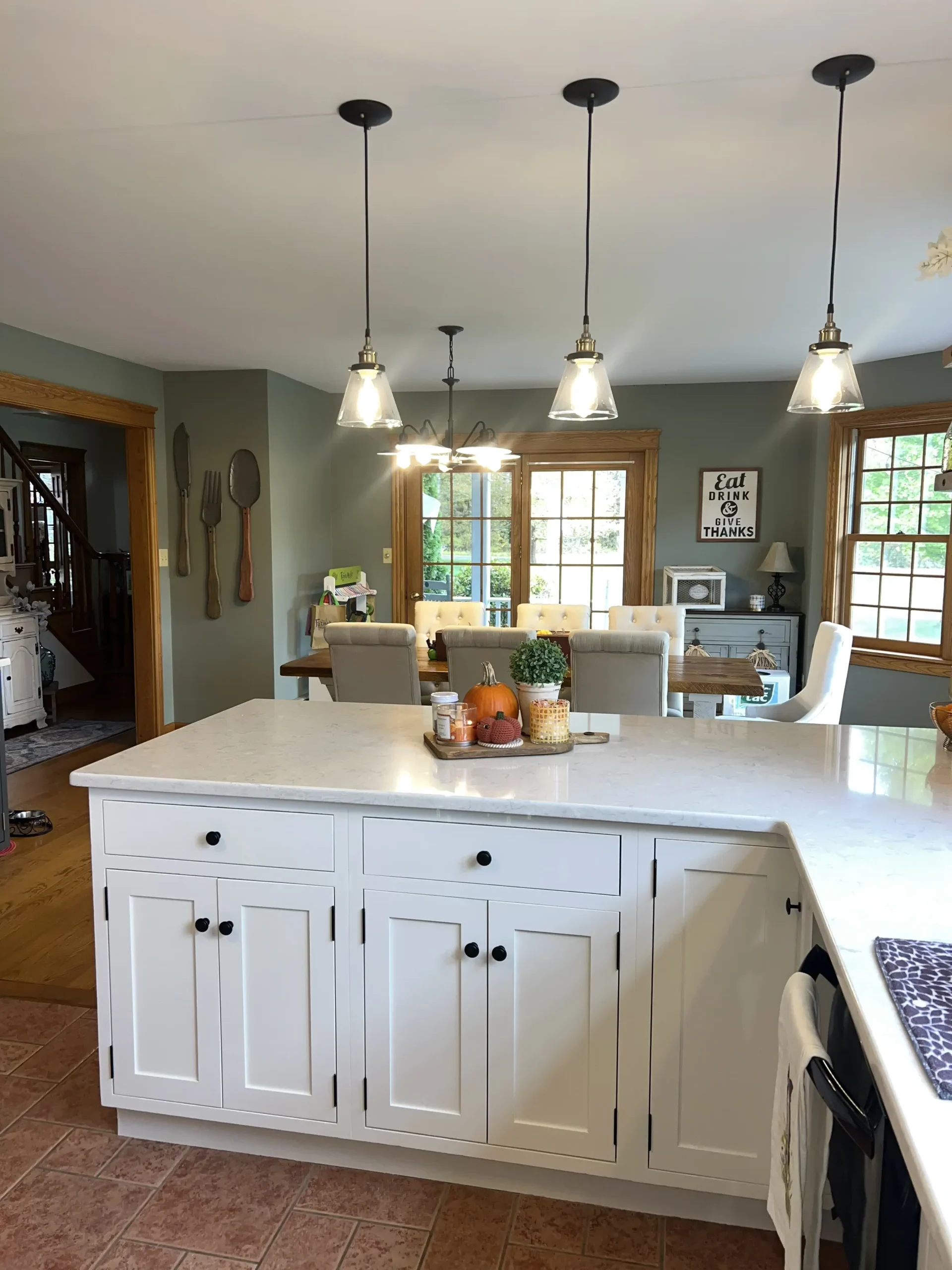











How to Maintain Painted Kitchen Cabinets for Long-Lasting Results (A Connecticut Homeowner’s Guide)
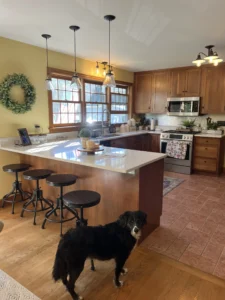
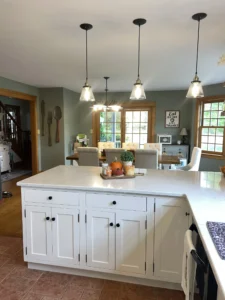
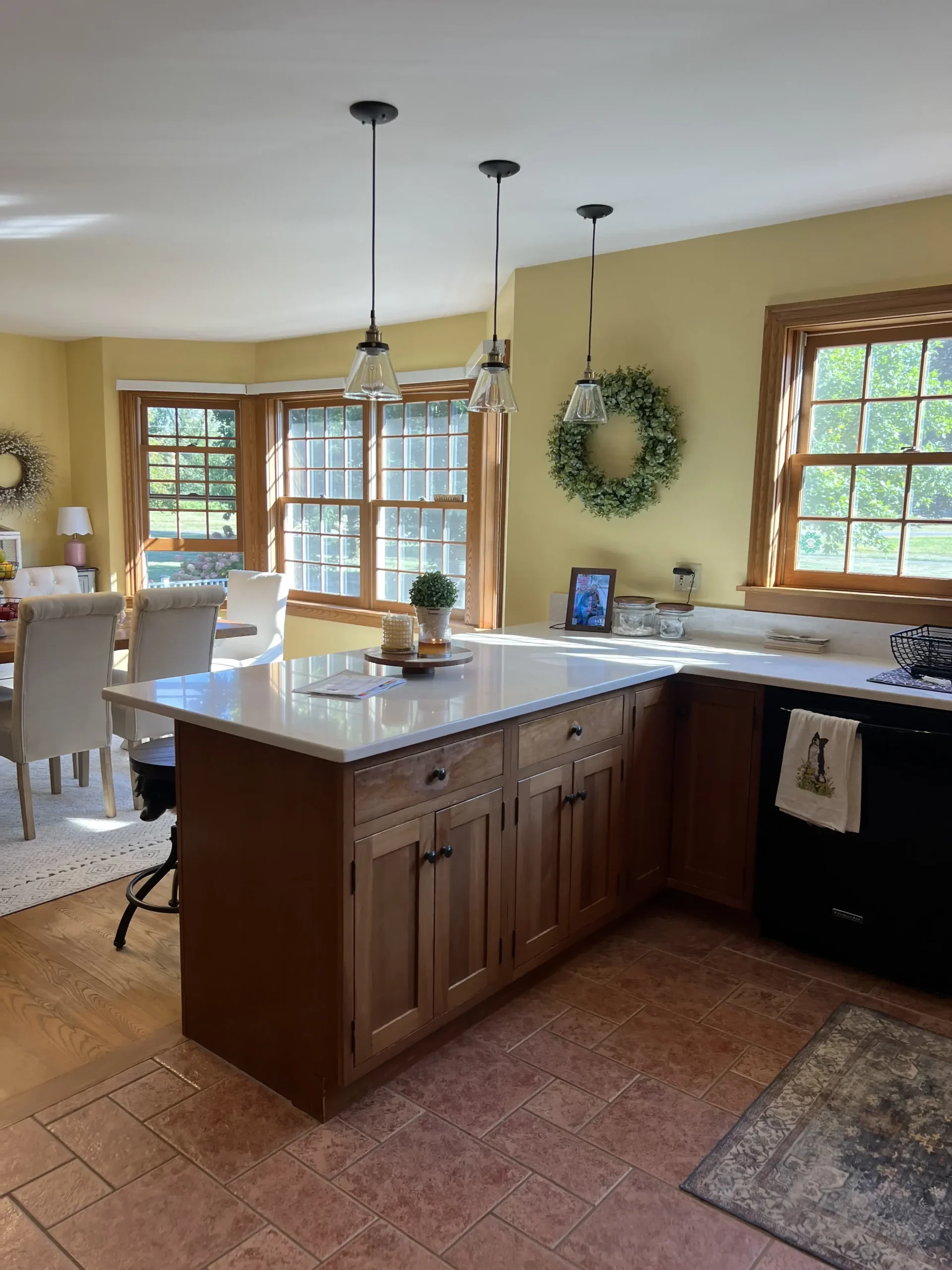
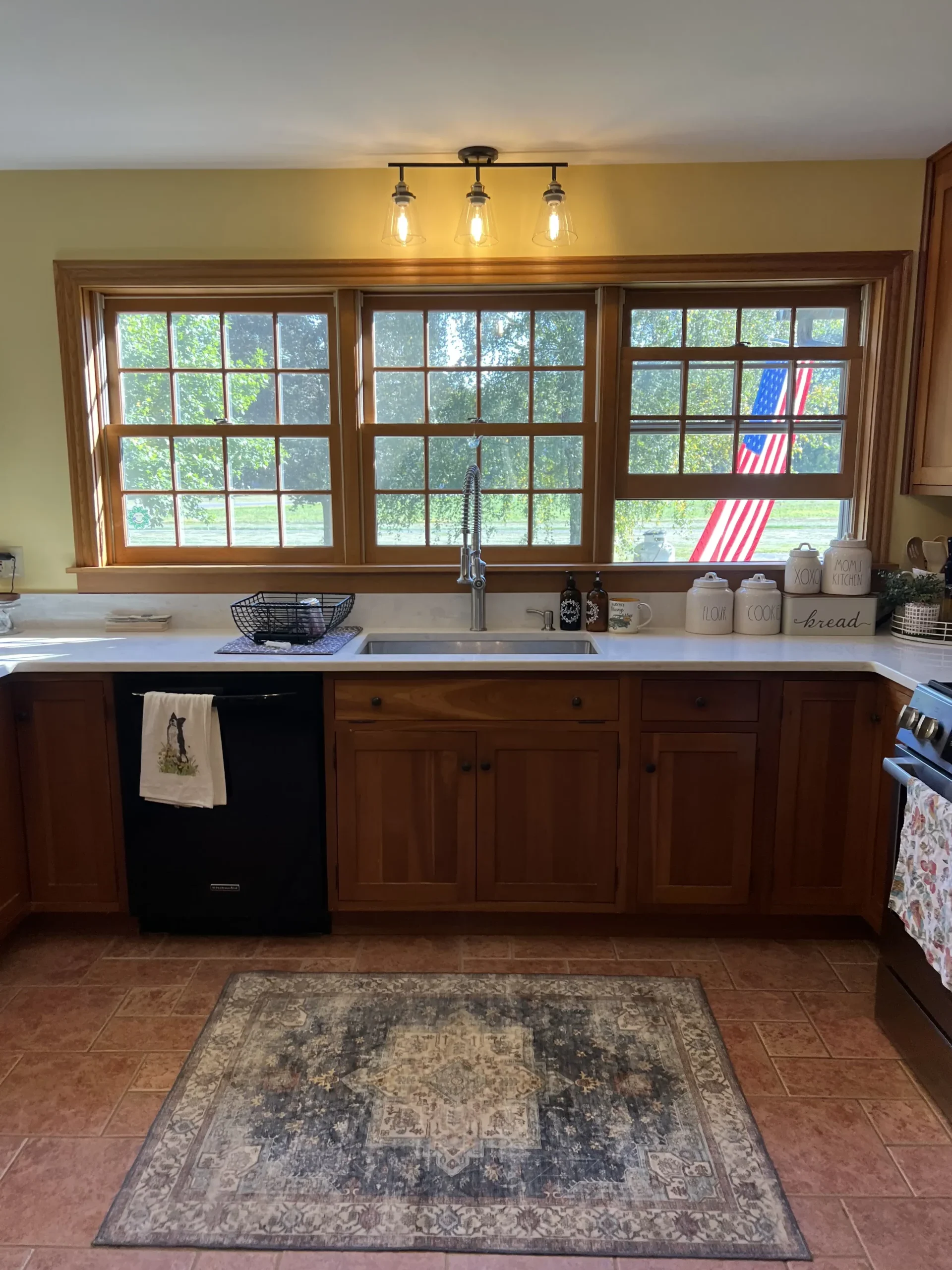
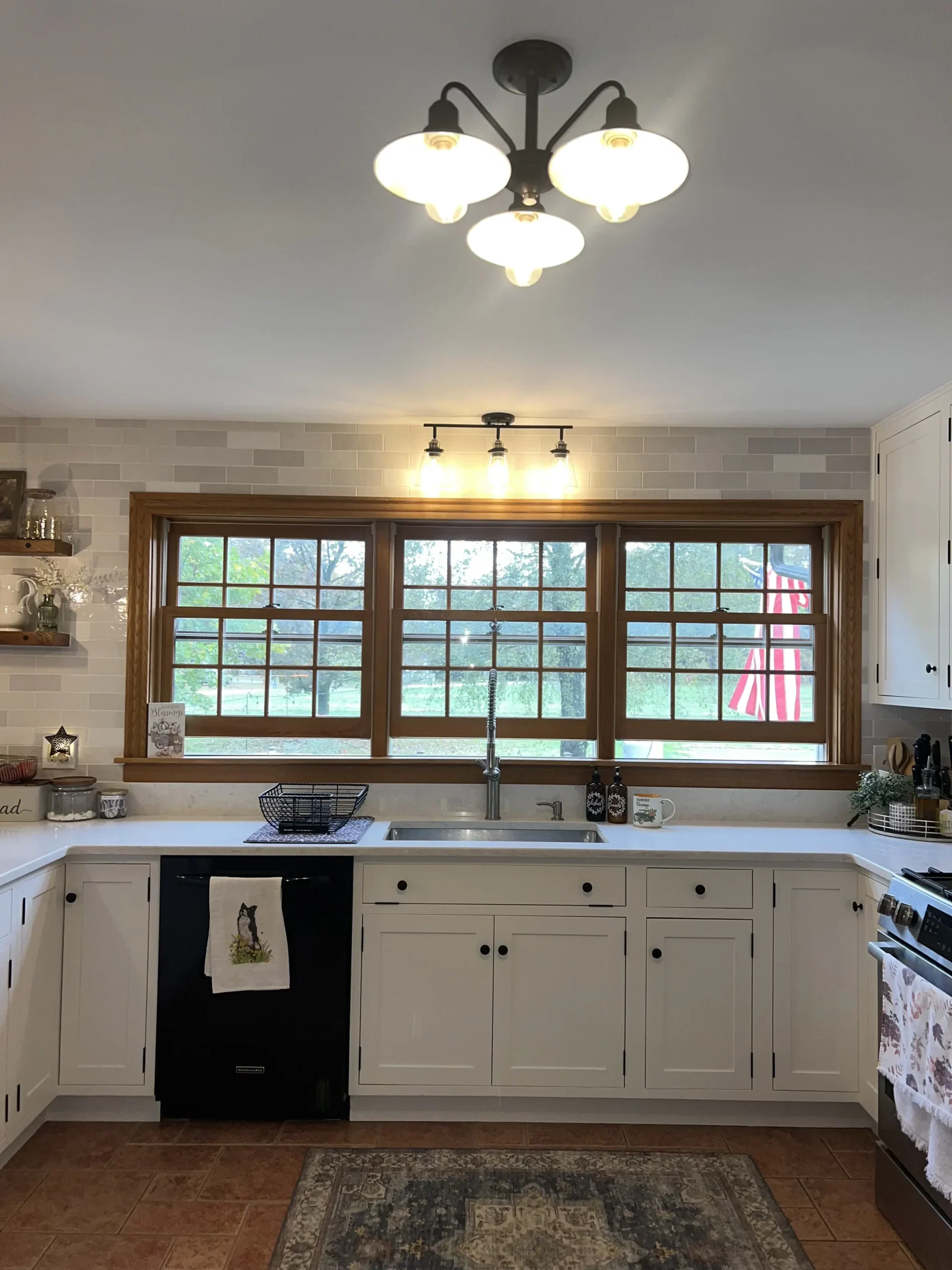
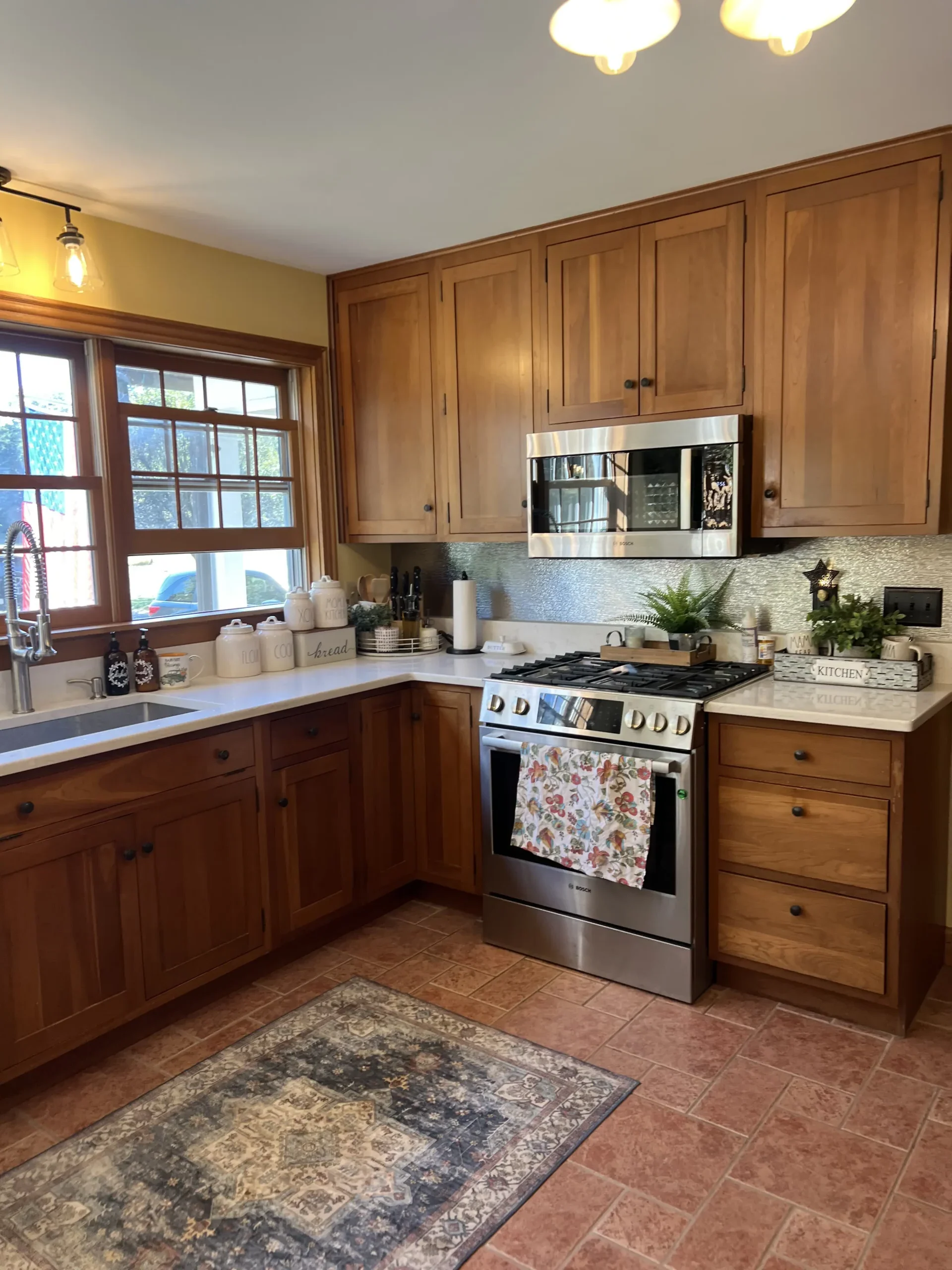
Painted kitchen cabinets, or refinished cabinets, are one of the most popular upgrades in Connecticut homes—and for good reason. When done professionally and maintained properly, painted cabinets can look beautiful and perform well for many years.
However, most cabinet paint failures don’t happen overnight. They’re caused by daily wear, moisture, grease, and improper cleaning habits that slowly break down the finish.
In this guide, we’ll walk through how to properly maintain painted kitchen cabinets, what to avoid, and when it makes sense to consider professional refinishing instead of repeated touch-ups.
Why Painted Cabinets Require Different Care Than Walls
Kitchen cabinets experience far more abuse than painted walls. They’re exposed to:
- Steam from cooking and dishwashers
- Oils and grease from food prep
- Frequent contact from hands, hardware, and appliances
- Regular cleaning and wiping
Because of this, cabinets are finished with specialized coatings designed for durability—not standard wall paint. Proper maintenance protects that coating and extends the life of the finish.
How to Clean Painted Kitchen Cabinets Safely
One of the most common mistakes homeowners make is using harsh cleaners on painted cabinets.
✅ Best Cleaning Practices
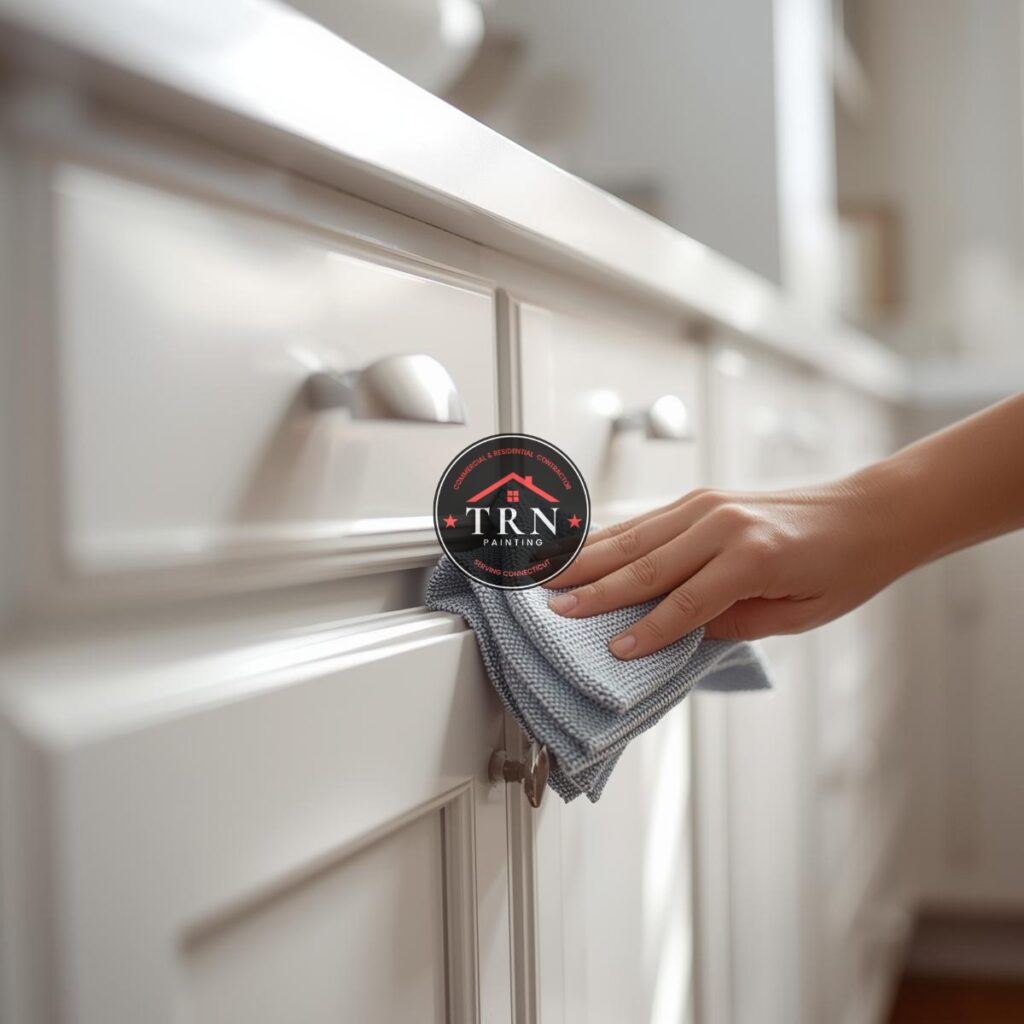
- Use warm water and a small amount of mild dish soap
- Wipe with a soft microfiber cloth
- Dry surfaces immediately to prevent moisture buildup
🚫 What to Avoid
- Abrasive sponges or scrub pads
- Ammonia-based or solvent cleaners
- Excess water left sitting on seams or edges
Gentle, consistent cleaning preserves the cabinet finish and prevents dulling or premature wear.
Where Painted Cabinets Wear First (and Why)
Painted cabinets don’t wear evenly. The most common problem areas include:
- Around knobs and pulls
- Under the sink and near dishwashers
- Adjacent to stoves and ovens
- Cabinet edges and corners
These zones experience higher moisture, friction, and temperature changes. Understanding wear patterns helps homeowners address issues early—before repainting becomes necessary.
Why DIY Touch-Ups Often Don’t Blend
Many homeowners attempt small cabinet touch-ups, only to find the repair stands out even more than the original flaw.
This happens because:
- Paint sheen isn’t matched precisely
- The original finish has aged or hardened
- Brush or roller texture doesn’t match the sprayed finish
Professional touch-ups are blended using proper techniques and coatings, making repairs virtually invisible.
Cabinet Paint vs. Wall Paint: Why the Difference Matters
Cabinet paint is engineered to:
- Resist moisture and oils
- Withstand frequent cleaning
- Cure into a harder, more durable surface
Using wall paint on cabinets—even high-quality wall paint—significantly shortens the lifespan of the finish. Proper product selection is just as important as surface preparation.
Spring Is the Right Time for Cabinet Maintenance in Connecticut
As winter ends and humidity begins to rise, spring is an ideal time to:
- Remove accumulated grease and residue
- Address small chips or wear spots
- Inspect caulk lines and seams
Preventive maintenance in spring helps cabinets perform better throughout the warmer months when kitchens see increased use.
When to Consider Professional Cabinet Refinishing
You may want to consider professional refinishing if:
- Touch-ups are no longer blending
- The finish feels soft or sticky
- Peeling or chipping is spreading
- Cabinets look worn despite regular cleaning
Professional refinishing restores durability—not just appearance—by addressing prep, coatings, and curing conditions correctly.
Professional Results Come From Systems, Not Shortcuts
Long-lasting cabinet finishes aren’t accidental. They’re the result of:
- Proper surface preparation
- Correct paint selection
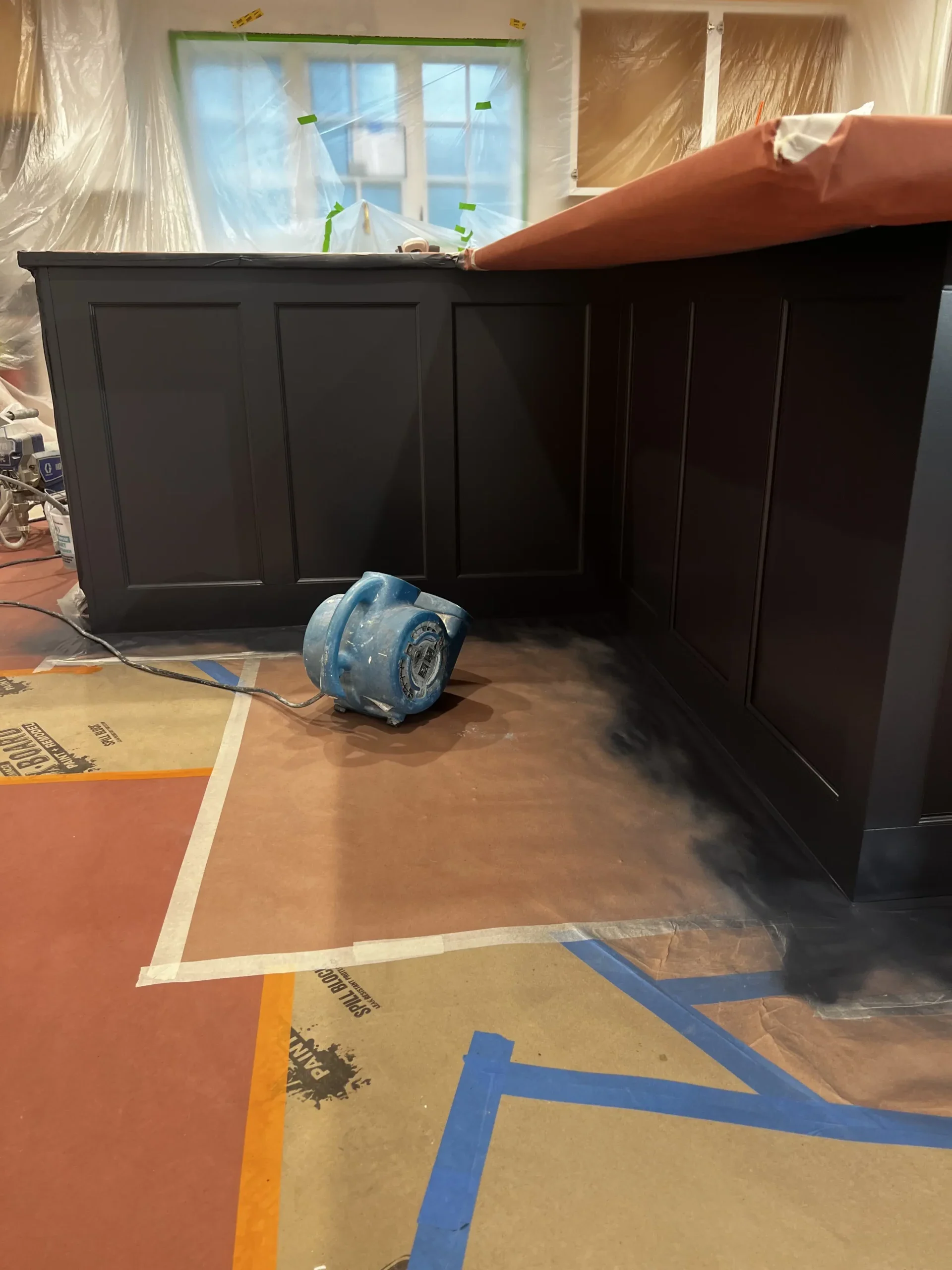
- Controlled application methods
- Experienced technique
That system-based approach is what separates professional results from temporary fixes.